FSB designer handles – architecture you can feel
A door handle is one of the few architectural details we physically interact with every day. A well-designed handle therefore needs to do more than look good: it should feel comfortable and secure in the hand, be intuitive to use, withstand years of everyday use and complement the architecture around it.
This philosophy lies at the heart of German architectural hardware manufacturer FSB (Franz Schneider Brakel), which has been producing door and window hardware for more than 140 years. FSB designer handles combine functionality and high-quality materials with the ideas of internationally renowned architects and designers, resulting in forms that remain relevant for decades.
Door handles designed by leading architects and designers
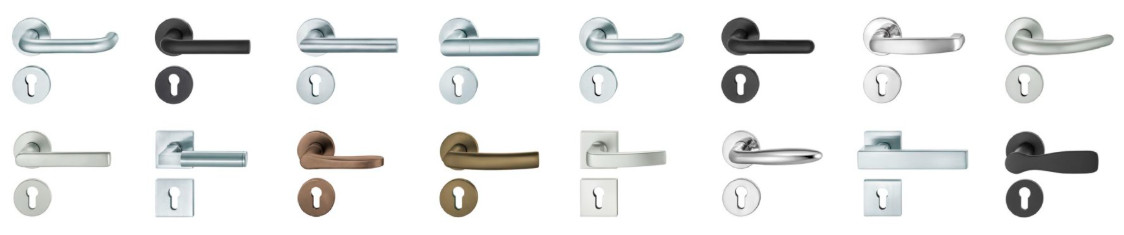
FSB has a long tradition of collaborating with internationally renowned architects and designers. Over the decades, figures such as David Chipperfield, Johannes Potente, Jasper Morrison, Dieter Rams and Alessandro Mendini, among many others, have contributed their own distinctive approach to the FSB collection. The result is a remarkably diverse range of design languages – from precise geometric forms to softer, organic lines and contemporary interpretations of classic door handle designs.
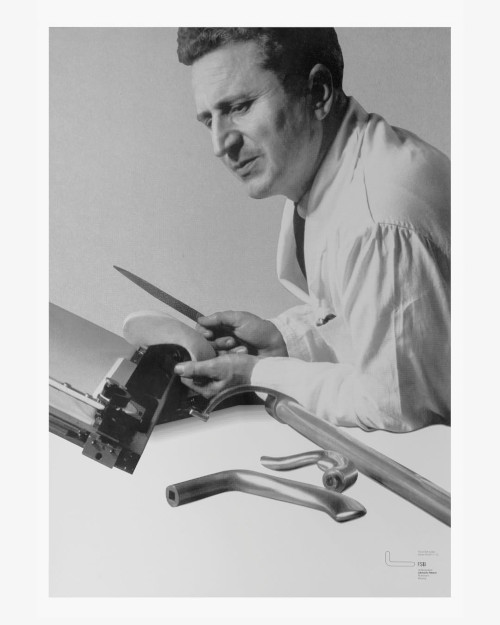
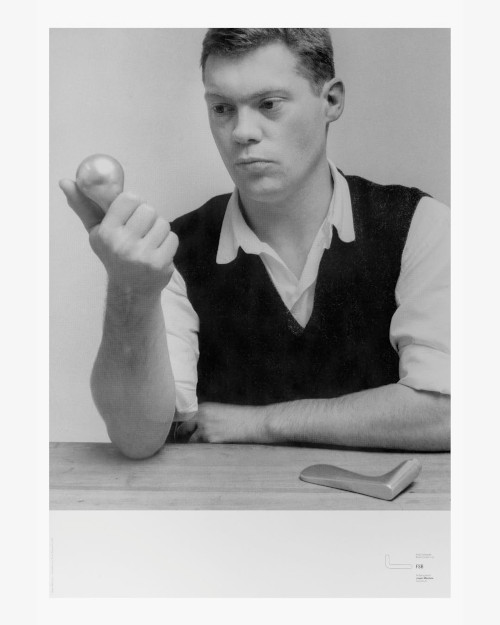
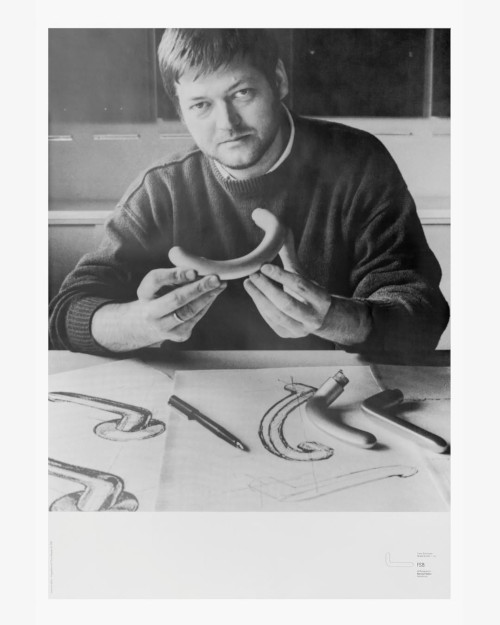
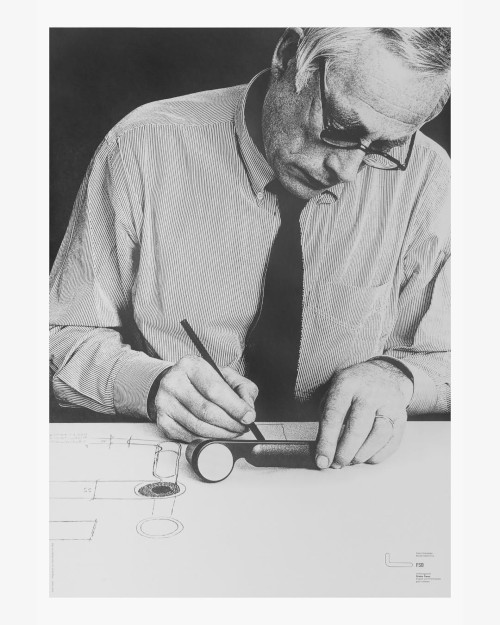
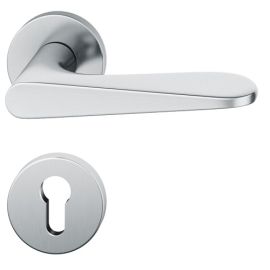
Johannes Potente
©FSB Franz Schneider Brakel
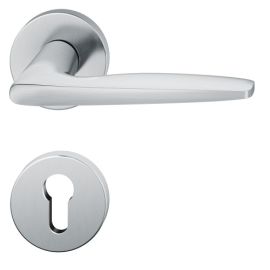
Jasper Morrison
©FSB Franz Schneider Brakel
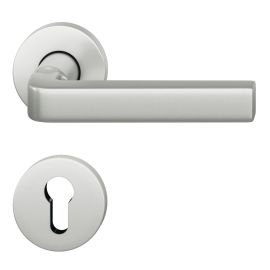
Hartmut Weise
©FSB Franz Schneider Brakel
Dieter Rams
©FSB Franz Schneider Brakel
Ergonomic door handle design: form follows the hand
German architect and designer Johannes Potente (1908–1987) played a pivotal role in the development of FSB’s design philosophy. He joined the company in the 1920s and helped establish principles that continue to influence FSB door handle design today: functionality, ergonomics and the relationship between the human hand and an everyday object.
FSB refers to the 1950s and 1960s as the “Potente era”. During this period, the designer developed the brand’s characteristic hand-form design principle, based on the idea that the primary purpose of a handle’s form is to correspond to the anatomy of the hand and the natural shape of the grip.
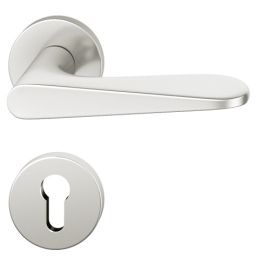
This approach is well illustrated by FSB 1058, Potente’s personal favourite. It evolved from the earlier FSB 1051, with unnecessary elements removed to arrive at a clear and functional form. The handle’s gentle curve and harmonious lines are not merely visual features – they were designed with a natural and comfortable grip in mind and helped make the model one of FSB’s most widely used handle designs. In 1998, together with three other handle designs by Potente, it was included in the permanent collection of the Museum of Modern Art (MoMA) in New York.
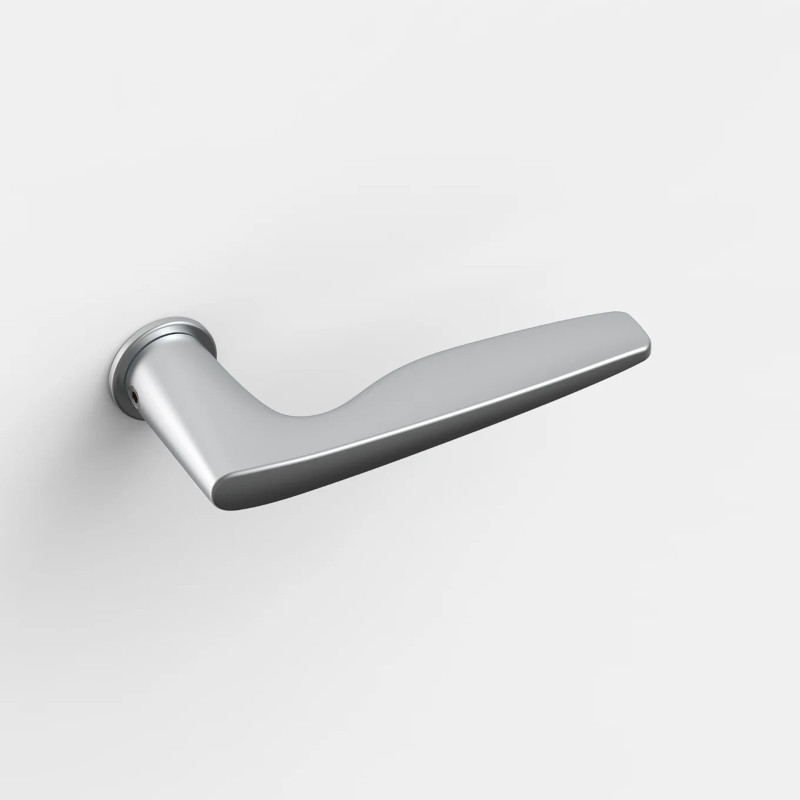
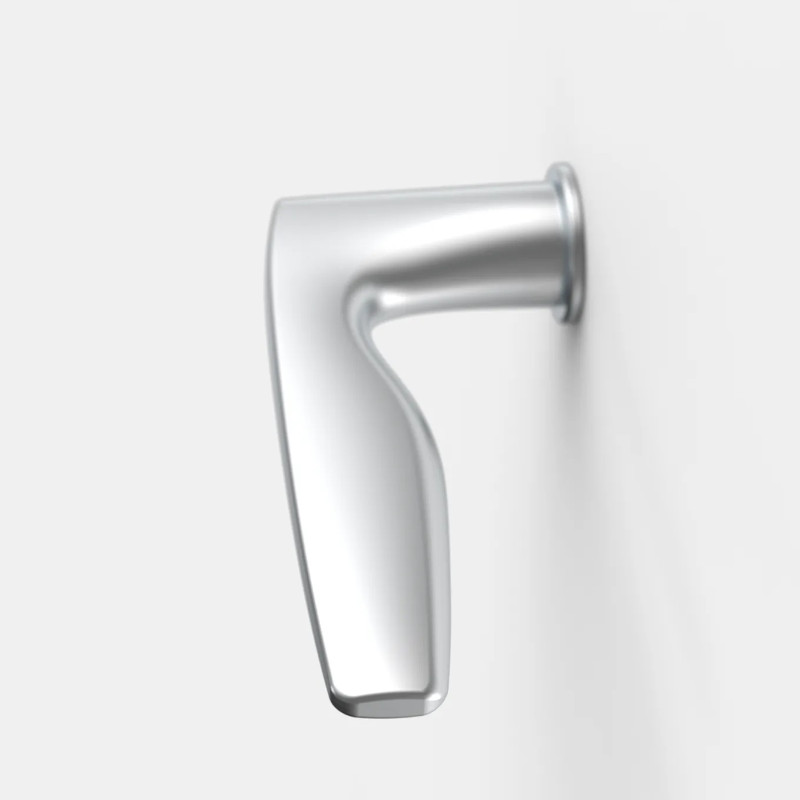
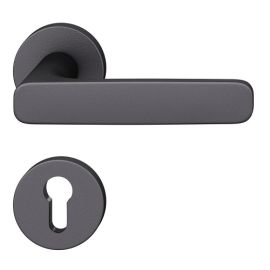
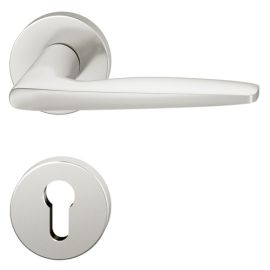
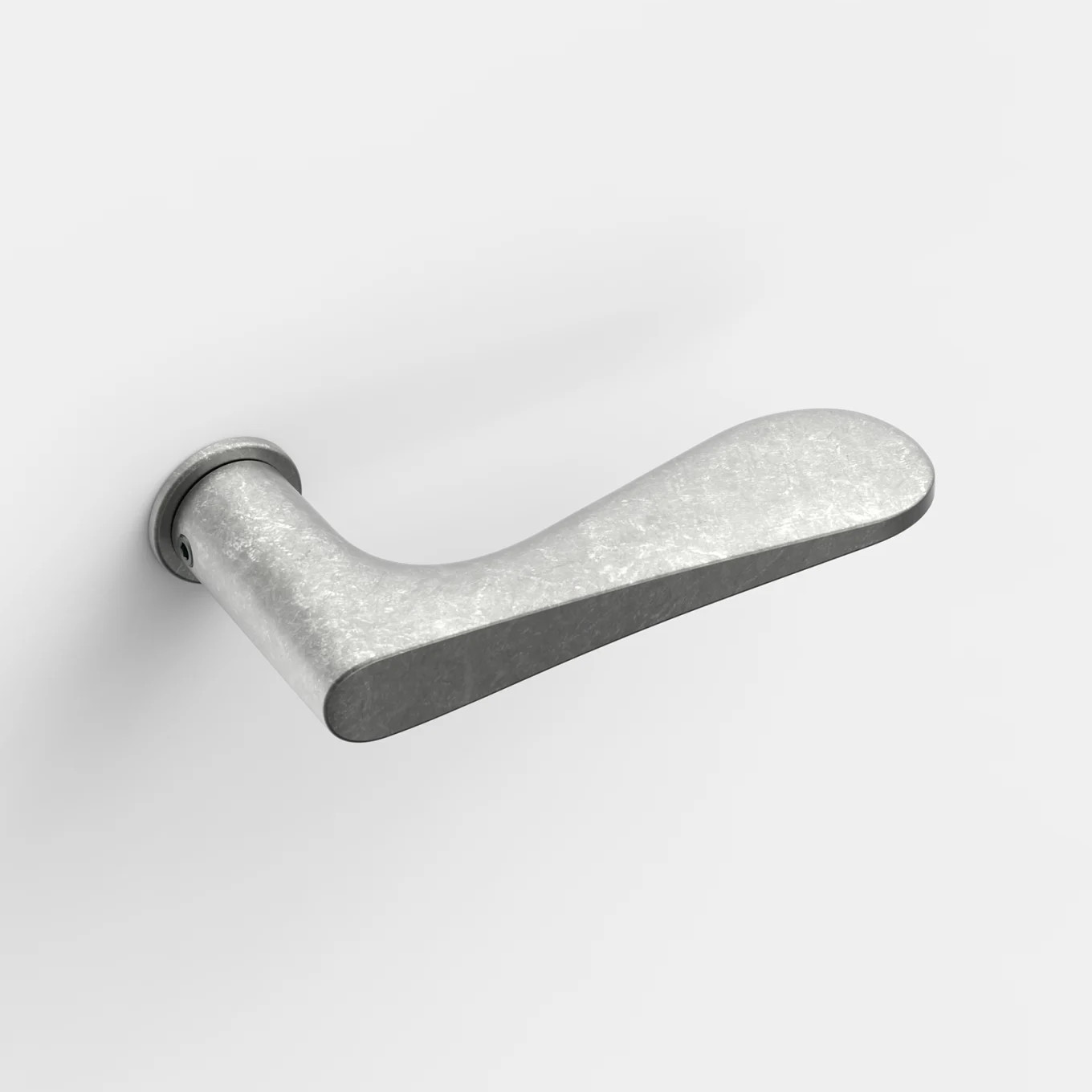
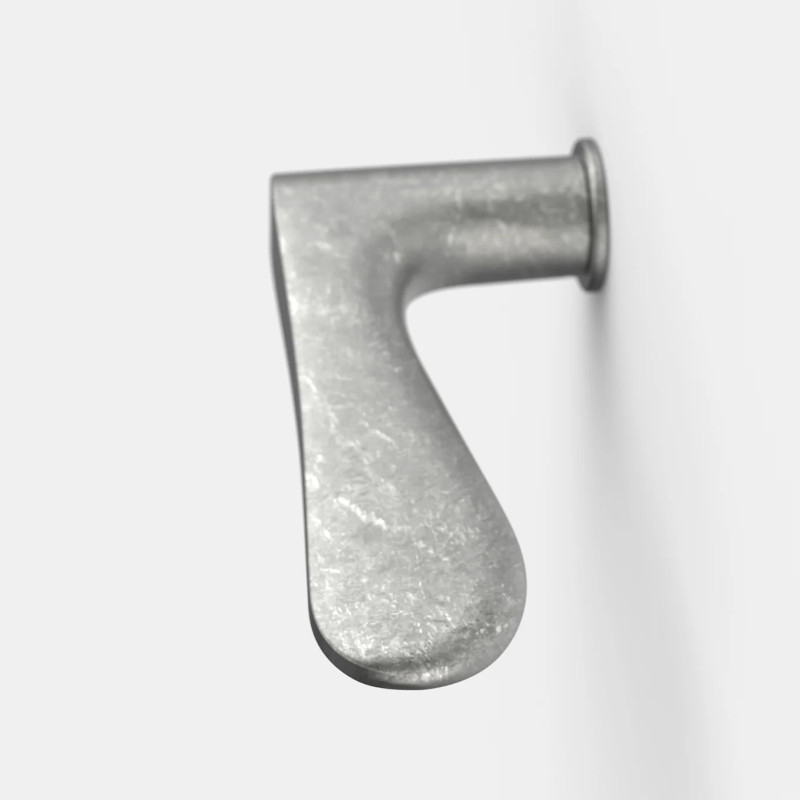
The idea was later reinterpreted by British designer Jasper Morrison (1959) in his FSB 1144 model. Its flowing yet restrained form reflects Morrison’s approach to design: the value of an everyday object lies not in attracting attention, but in carefully considered form, proportion and function, and in how naturally it belongs in its surroundings. The design of FSB 1144 also incorporates the four principles of a good grip formulated by Otl Aicher – thumb rest, index-finger groove, grip volume and support for the palm. By bringing aesthetics and ergonomics together, every line and curve reveals its functional purpose when the handle is grasped..
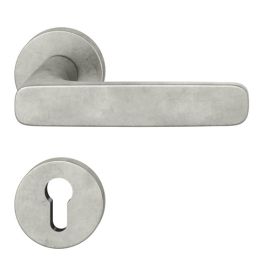
Today, FSB 1144 is regarded as a modern design classic and is available in a variety of aluminium and stainless-steel finishes, including the contemporary untreated aluminium finish Aluminium Pure.
One design language throughout the project
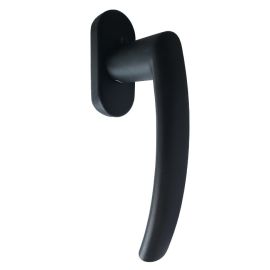
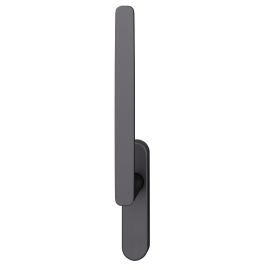
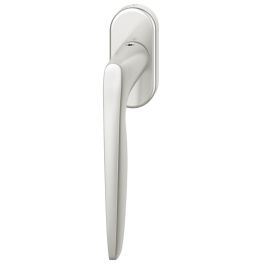
A building rarely requires just one door handle. A project may include interior and entrance doors, windows, glass doors, sliding systems, framed doors and other architectural elements. IUsing unrelated hardware for each application can easily fragment the overall design. FSB addresses this through its product family concept, allowing the same design language to be carried across different types of doors, windows and architectural hardware throughout a project. Depending on the particular product series, solutions are available for glass doors, framed doors, tilt-and-slide balcony doors and façades, as well as functional doors on escape routes.
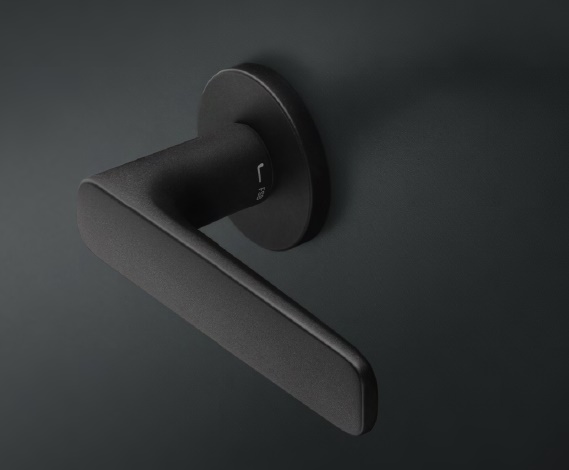
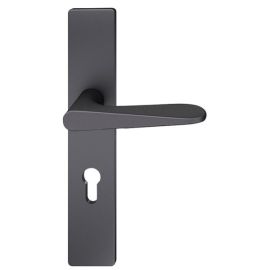
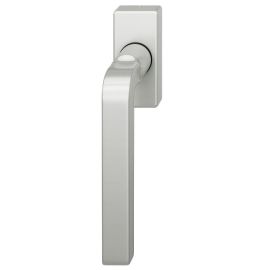
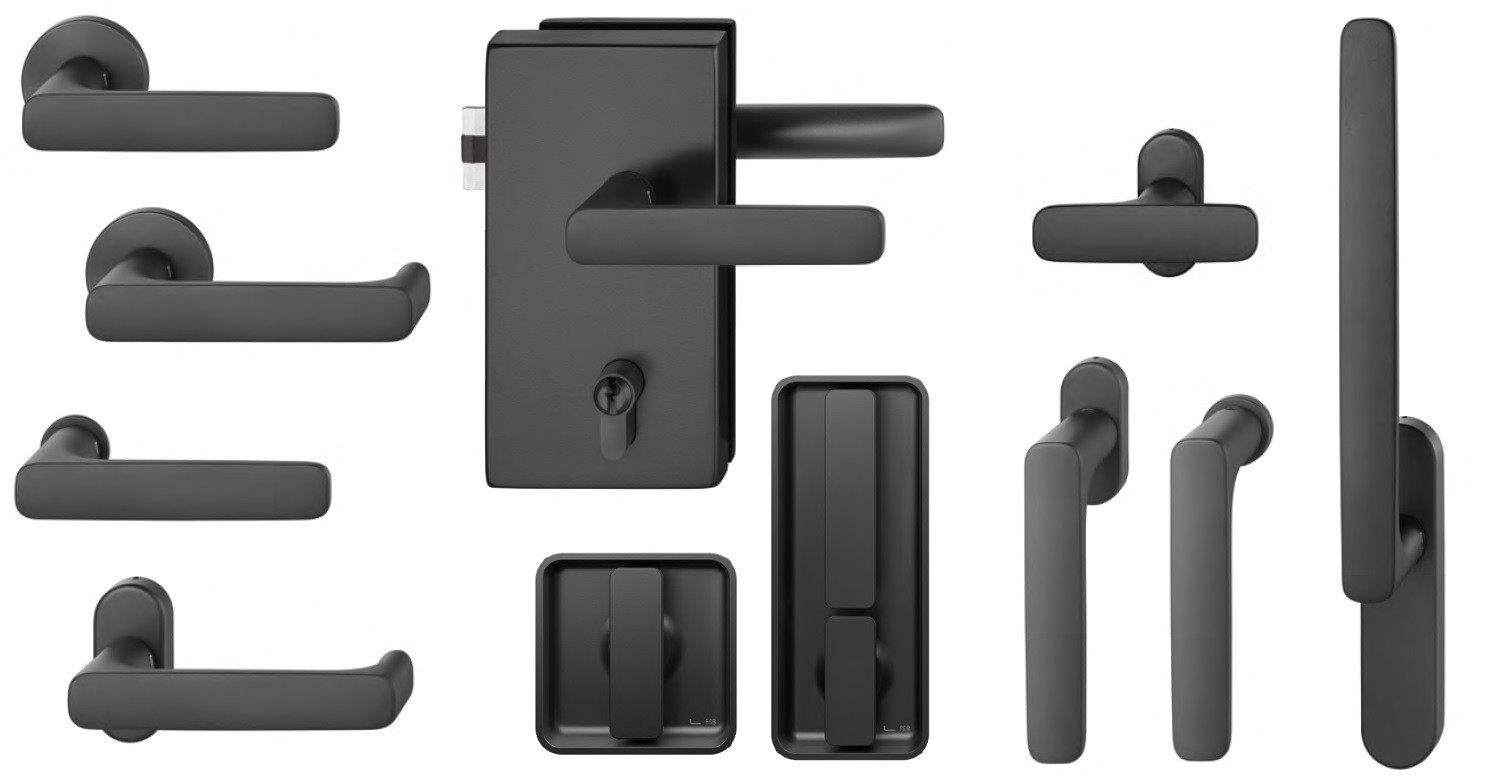
A contemporary and versatile interpretation of FSB’s product-family concept can be seen in the multiple award-winning FSB 1289, designed by Markus Michalski and Michael Schmidt. Its seemingly simple silhouette conceals a carefully developed form: the elegant, nuanced flow of lines on the front creates visual clarity, while the precisely proportioned curve on the inside is shaped for comfort, providing a pleasant and ergonomic grip. The FSB 1289 allows the same design language to be applied across different architectural elements – doors, windows, glass doors and sliding systems. In this way, the hardware becomes a coherent system of architectural details that consistently carries the chosen design language throughout the project.

Aluminium, stailess steel or bronze?
The material also plays an essential role in defining the character of a handle. FSB’s range of door and window hardware is dominated by aluminium, stainless steel and bronze – each with its own visual character, surface texture and tactile quality.
Aluminium
Aluminium is lightweight, durable and recyclable. Different surface treatments make it possible to range from a neutral, naturally metallic appearance to distinctive darker shades.
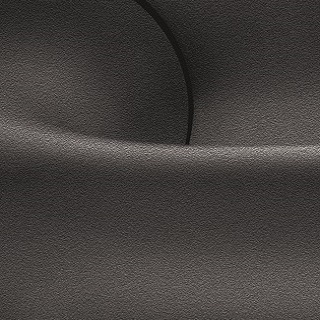
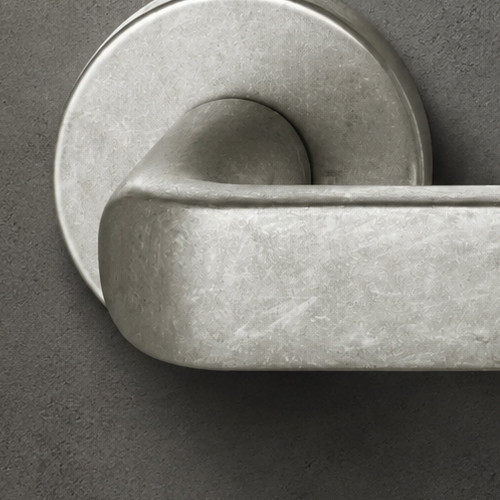
A special place in FSB’s current range of finishes is occupied by Aluminum Pure (FSB 0013) – a natural, non-anodised aluminium surface. It preserves the authentic character of the material: the surface is treated with ceramic elements, resulting in a subtly textured, organically irregular appearance. As there is no protective anodised coating, a delicate patina may gradually develop in areas that are touched most frequently. Aluminum Pure also represents a step towards more resource-efficient production at FSB. By eliminating several conventional stages of aluminium finishing, the energy required to produce this finish can be reduced by 37%.
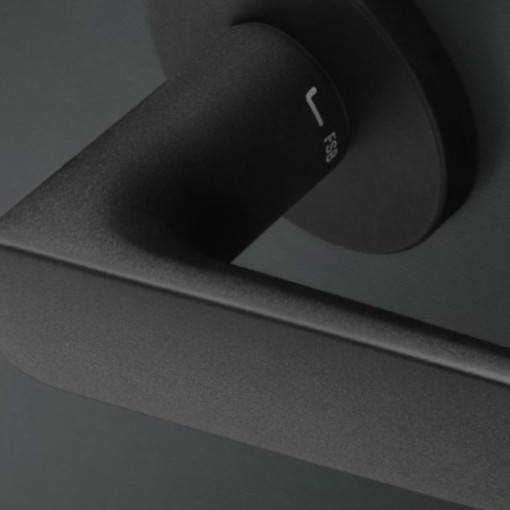
Alongside Aluminum Pure FSB also offers blasted and colour-anodised aluminium surfaces in dark and medium bronze shades, as well as matt black. Blasting gives the surface a velvety matt character while simultaneously compacting the aluminium surface structure and increasing its resistance to scratches and impacts..
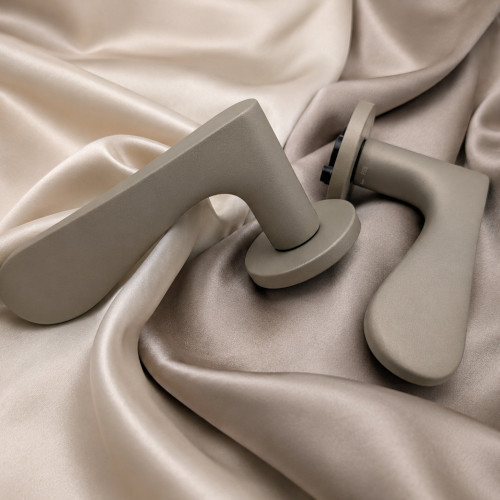
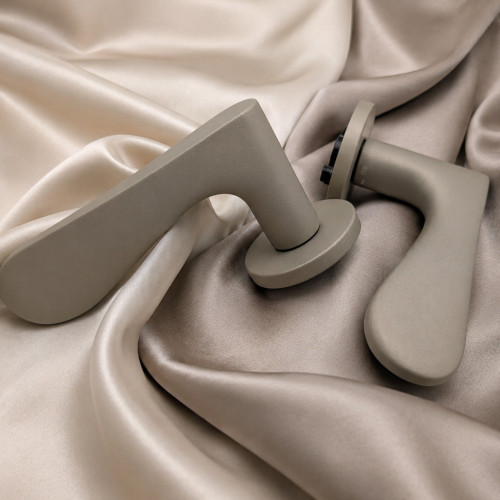
Since summer 2026, FSB’s aluminium finishes have also included two new powder-coated, velvety matt shades – Silk Grey (C31) and Cashmere Grey (C32). ZSilk Grey is a light, understated shade that works naturally with light-coloured wood, natural stone and concrete, while the warmer and deeper Cashmere Grey complements dark wood textures, stone and bronze accents. Both new shades provide even greater freedom to coordinate handles with an interior’s material and colour palette and to create a nuanced, carefully considered overall aesthetic.
Stainless steel
Stainless steel combines a restrained architectural aesthetic with high durability. For its handles, FSB uses high-alloy chromium-nickel steel containing approximately 18% chromium and 8% nickel. Its key advantages include high resistance to corrosion, impact, scratching and wear, while also being easy to maintain. A protective passive layer forms naturally on the surface of stainless steel. If damaged, this layer is capable of regenerating and also possesses antimicrobial properties. These characteristics make stainless-steel hardware particularly suitable for public buildings, healthcare and educational facilities, sports and leisure buildings, industrial and manufacturing environments, as well as coastal locations.
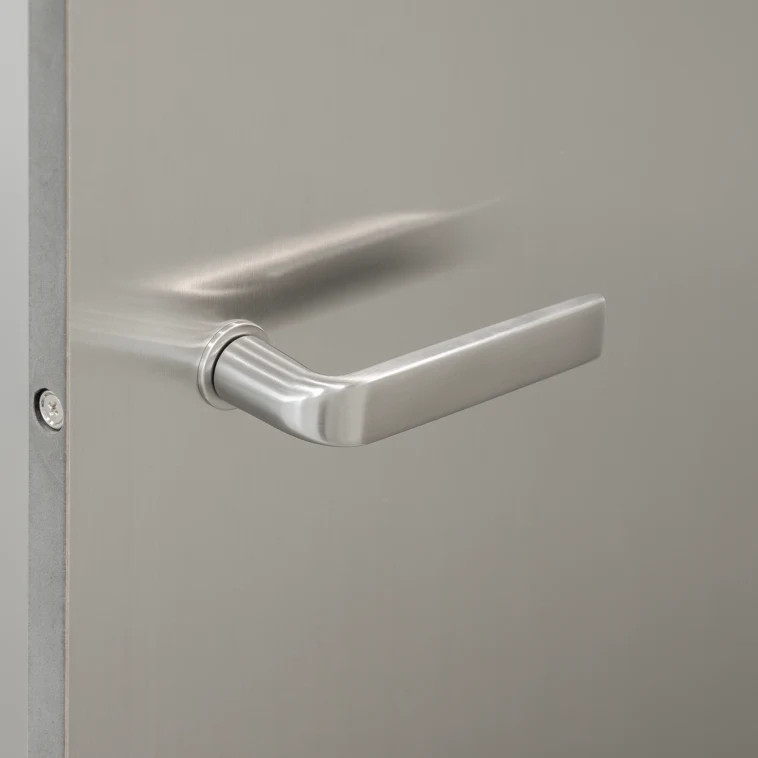
Within FSB’s handle range, stainless steel is available in two finishes – finely matt brushed (6204) and polished (6205). The matt surface creates a calm, technically precise appearance, while the polished finish gives the material a more expressive, reflective character. In both cases, stainless steel allows the form of the handle to be emphasised through the inherent aesthetic qualities of the material while retaining its characteristic durability and functional precision.
Bronze
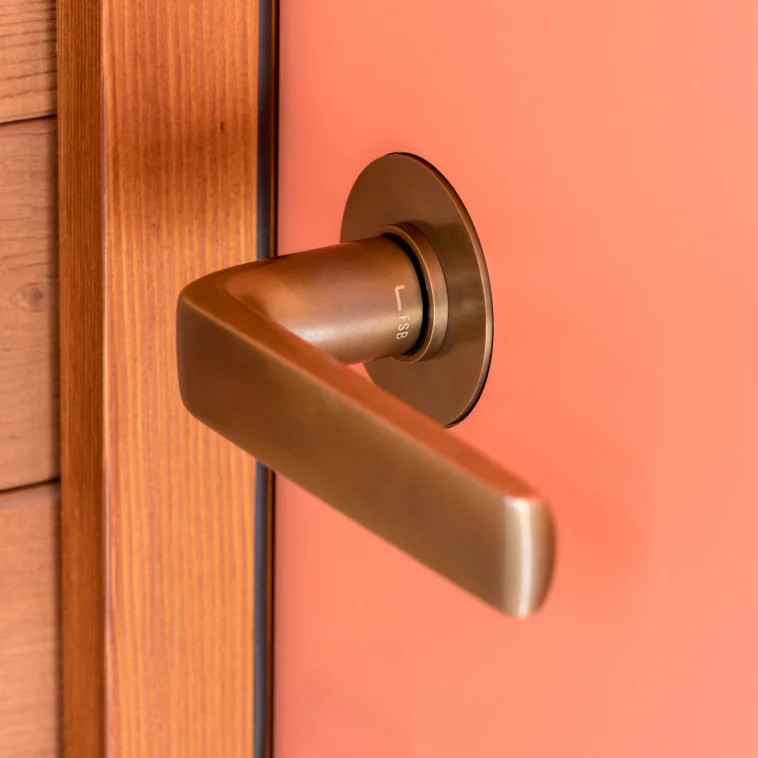
Bronze, in turn, brings an entirely different character to a space. Its warm tone and tactile surface allow it to integrate naturally into both historic and contemporary architecture. FSB uses the high-quality CuSn8 copper-tin alloy, consisting of 92% copper and 8% tin. The material is characterised by high tensile strength and hardness, making it suitable for environments with intensive door use.
FSB bronze handles are available in two matt finishes – light patinated (7615) and dark patinated (7625). To achieve their characteristic colour, the hardware undergoes an artificial ageing process during production that replicates the natural formation of patina. Finally, the surface is waxed to preserve its initial character and slow further patination until the handle enters everyday use.
The ability to change over time is one of bronze’s most distinctive aesthetic qualities. Areas of the handle that are touched most frequently gradually become polished and brighter, while patina continues to develop in less frequently touched areas under the influence of the surrounding environment. In this way, the surface reflects how the handle is used, and over time each piece acquires an individual character. This natural ageing process is an integral part of the aesthetics of bronze and one of the qualities that distinguishes it from other handle finishes.
A small detail with a lasting impact
The appeal of FSB handles lies in the details – carefully balanced proportions, high-quality materials, tactile surfaces and a clear design idea. Yet a door handle does not exist in isolation. In architecture and interior design, the ability to carry the same design and material language consistently throughout a project can be just as important. Chosen with intention, architectural hardware becomes part of the overall design concept, creating a visual and tactile connection between doors, windows, materials and the surrounding space.
And perhaps the door handle is the architectural detail we experience most intimately – not only with our eyes, but with our hands, every single day.
Explore the FSB designer handle collections and choose the form, material and finish that best complements your interior or architectural project.